
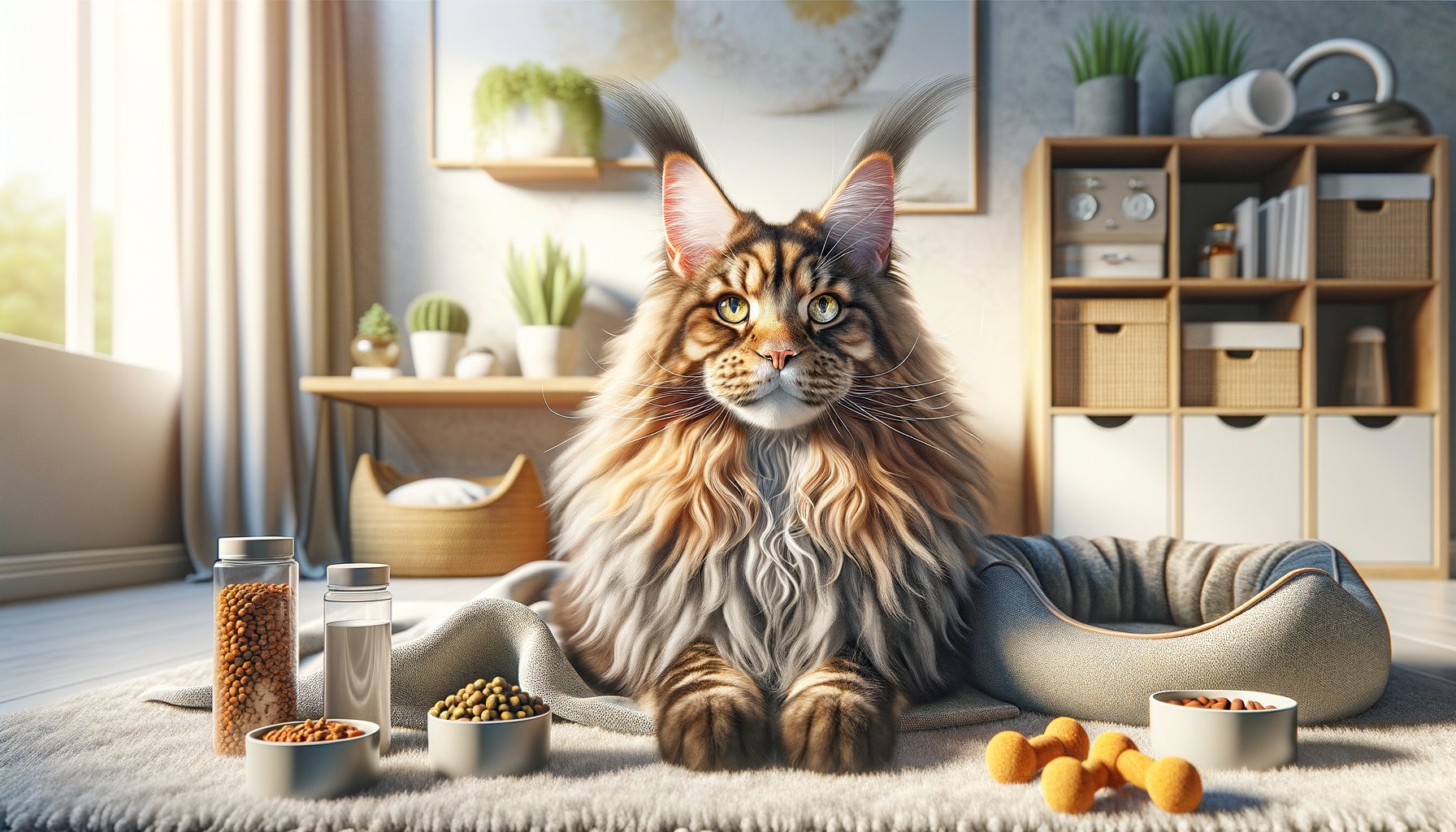
Maine Coon cats typically live between 12 to 15 years, with many reaching their late teens when provided with proper care. These gentle giants are known for their robust health, but understanding the factors that influence their lifespan can help you maximize your feline companion’s years. From genetics to diet and exercise, several key elements determine how long your Maine Coon cat will thrive by your side.
What is the Average Lifespan of Maine Coon Cats?
Maine Coon cats have an average life expectancy of 12 to 15 years, which is comparable to other large domestic cat breeds. However, many Maine Coons live well beyond this range, with some reaching 18 to 20 years when provided with exceptional care. According to veterinary studies conducted in 2024, indoor Maine Coons consistently outlive their outdoor counterparts by 3 to 5 years on average.
The oldest Maine Coon cat on record lived to be 31 years old, though this is exceptionally rare. Most healthy Maine Coons will enjoy their prime years between ages 3 and 10, with senior years beginning around age 11. Understanding these life stages helps owners provide age-appropriate care throughout their cat’s journey.
Maine Coon Life Stages and Development
Maine Coon cats progress through distinct life stages that influence their care requirements and health considerations. Kittenhood lasts from birth to 12 months, during which these cats grow rapidly and require high-protein diets. The adolescent stage spans from 1 to 3 years, when Maine Coons reach their full size but continue developing their characteristic thick coat and muscular build.
Adult Maine Coons, aged 3 to 11 years, represent the prime of their lives with peak health and vitality. Senior cats, 12 years and older, may begin showing age-related changes requiring adjusted nutrition and increased veterinary monitoring. A 14-year-old Maine Coon is roughly equivalent to a 72-year-old human in terms of aging, making regular health assessments crucial during this stage.
Genetic Factors Affecting Maine Coon Lifespan
Maine Coons are generally healthy cats, but they do have genetic predispositions to certain conditions that can impact their lifespan. Hypertrophic cardiomyopathy (HCM) is the most significant concern, affecting approximately 30% of Maine Coons according to 2024 veterinary data. This heart condition can develop between ages 2 and 7, making early screening essential for breeding cats.
Hip dysplasia, while more common in dogs, also affects some Maine Coon cats due to their large size. Polycystic kidney disease and spinal muscular atrophy are other inherited conditions that responsible breeders screen for. Choosing a kitten from health-tested parents significantly reduces the risk of these genetic health issues and can add years to your cat’s life.
Environmental Factors That Influence Longevity
The environment where a Maine Coon lives plays a crucial role in determining their lifespan. Indoor cats consistently live longer than outdoor cats, with studies showing indoor Maine Coons averaging 15-18 years compared to 10-12 years for outdoor cats. The controlled environment protects them from traffic accidents, predators, diseases, and harsh weather conditions that can significantly shorten their lives.
Stress levels also impact longevity, with Maine Coons being particularly sensitive to environmental changes. A stable, enriching home environment with consistent routines supports their mental health and overall wellbeing. Temperature control is especially important for these cold-weather cats, as they thrive in cooler environments but can struggle with excessive heat.
Nutrition and Diet Requirements for Maine Coons
Proper nutrition is fundamental to maximizing a Maine Coon’s lifespan. These large cats require high-quality protein to maintain their muscular build and support their active lifestyle. Adult Maine Coons need approximately 300-400 calories daily, with seniors requiring adjusted portions to prevent obesity. A diet consisting of 40-50% high-quality animal protein provides the essential amino acids these cats need.
Maine Coons benefit from omega-3 fatty acids for coat health and joint support, particularly as they age. While cats don’t require carbohydrates, small amounts can provide energy, but the focus should remain on protein and healthy fats. Regular feeding schedules and portion control prevent obesity, a significant factor that can reduce lifespan by 2-3 years in large breed cats.
Exercise and Mental Stimulation Needs
Physical activity is essential for maintaining a Maine Coon’s health throughout their life. These naturally active cats require daily play sessions of 15-20 minutes to maintain muscle tone and prevent obesity. Interactive toys, climbing trees, and puzzle feeders provide both physical exercise and mental stimulation that keeps their minds sharp as they age.
Maine Coons are intelligent cats that need environmental enrichment to prevent boredom and stress-related health issues. Regular play sessions not only maintain their physical condition but also strengthen the human-animal bond, contributing to their overall happiness and longevity. Older Maine Coons may require gentler exercise routines but should remain active to maintain joint mobility and muscle mass.
Common Health Issues and Prevention Strategies
While Maine Coons are generally robust, understanding their common health issues enables early detection and treatment. Regular veterinary checkups every 6 months after age 7 help identify problems before they become serious. Dental disease affects over 80% of cats by age 3, making regular dental care crucial for preventing secondary health complications that could shorten lifespan.
Kidney disease becomes more common in senior Maine Coons, with early detection through blood work allowing for management strategies that can extend life by several years. Weight management is critical, as obesity increases the risk of diabetes, arthritis, and heart disease. Maintaining an ideal body condition throughout their life can add 2-3 years to a Maine Coon’s lifespan according to veterinary research.
Veterinary Care and Health Monitoring
Establishing a relationship with a veterinarian experienced with Maine Coon cats is essential for maximizing lifespan. Annual wellness exams should include blood work, heart monitoring for HCM, and hip evaluation. Senior cats benefit from twice-yearly checkups to monitor age-related changes and adjust care accordingly.
Preventive care including vaccinations, parasite control, and dental cleanings forms the foundation of a long, healthy life. Early spaying or neutering not only prevents unwanted litters but also reduces the risk of certain cancers and behavioral issues. Regular monitoring of weight, appetite, and behavior changes allows for quick intervention when health issues arise.
Why Maine Coons Are Special and Worth the Investment
Maine Coons are special for many reasons beyond their impressive size and striking appearance. Their gentle, dog-like personalities make them exceptional family companions, often forming strong bonds with all family members. These cats are known for their intelligence, trainability, and social nature, making them ideal pets for families with children and other animals.
The investment in proper care for a Maine Coon cat pays dividends in years of companionship. Their laid-back temperament, combined with their playful nature, creates a perfect balance for households seeking an engaging but low-maintenance pet. Understanding why Maine Coons are so special helps owners appreciate the importance of providing optimal care throughout their extended lifespan.
Signs of Aging and Senior Care Considerations
As Maine Coons enter their senior years, owners should watch for subtle changes that indicate aging. Decreased activity levels, changes in sleep patterns, and reduced grooming are normal age-related changes. However, sudden behavioral changes, loss of appetite, or difficulty jumping may signal underlying health issues requiring veterinary attention.
Senior Maine Coon cats benefit from environmental modifications such as lower litter box sides, heated beds for arthritic joints, and easily accessible food and water stations. Regular blood work monitoring kidney and liver function becomes increasingly important after age 10. With proper senior care, many Maine Coons maintain excellent quality of life well into their late teens.
Maximizing Your Maine Coon’s Life Expectancy
Maximizing your Maine Coon’s life expectancy requires a comprehensive approach combining excellent nutrition, regular veterinary care, and environmental enrichment. Maintaining an ideal weight throughout their life is perhaps the single most important factor in longevity. Studies show that cats maintaining optimal body condition live an average of 2-3 years longer than overweight counterparts.
Quality of life is as important as quantity of years. Providing mental stimulation, social interaction, and a stress-free environment contributes significantly to overall health and happiness. Regular dental care, parasite prevention, and prompt treatment of any health issues ensure your Maine Coon enjoys their full potential lifespan while maintaining excellent quality of life throughout their golden years.
Related video about how long do maine coon cats live
This video complements the article information with a practical visual demonstration.
Your questions answered
How old is the oldest Maine Coon cat on record?
The oldest Maine Coon cat on record lived to be 31 years old, though this is exceptionally rare. Most Maine Coons live between 12-15 years on average, with many reaching 18-20 years with excellent care and genetics.
Do Maine Coons have specific health issues that affect their lifespan?
Yes, Maine Coons are predisposed to hypertrophic cardiomyopathy (HCM), which affects about 30% of the breed. They may also develop hip dysplasia, kidney disease, and dental issues. Regular veterinary screening and preventive care can help manage these conditions effectively.
How old is a 14-year-old Maine Coon in human years?
A 14-year-old Maine Coon is approximately equivalent to a 72-year-old human in terms of aging. This places them firmly in the senior category, requiring adjusted care including more frequent veterinary checkups and potential dietary modifications.
What makes Maine Coons special compared to other cat breeds?
Maine Coons are special due to their gentle, dog-like personalities, impressive size, intelligence, and social nature. They form strong bonds with families, are highly trainable, and maintain playful yet laid-back temperaments throughout their lives, making them exceptional long-term companions.
Can indoor Maine Coons live longer than outdoor ones?
Yes, indoor Maine Coons consistently live 3-5 years longer than outdoor cats on average. Indoor cats are protected from traffic accidents, predators, diseases, and harsh weather conditions that significantly impact outdoor cat lifespans.
What is the most important factor for maximizing Maine Coon lifespan?
Maintaining an ideal weight throughout their life is the single most important factor. Studies show cats at optimal body condition live 2-3 years longer than overweight cats. This, combined with regular veterinary care and quality nutrition, maximizes longevity.
| Lifespan Factor | Impact Details | Years Added/Lost |
|---|---|---|
| Indoor vs Outdoor | Protected environment, reduced risks | +3 to 5 years |
| Optimal Weight | Prevents obesity-related diseases | +2 to 3 years |
| Genetic Health Testing | Early detection of HCM and other conditions | +1 to 3 years |
| Regular Veterinary Care | Preventive medicine and early intervention | +2 to 4 years |
| Quality Nutrition | High-protein diet with proper portions | +1 to 2 years |