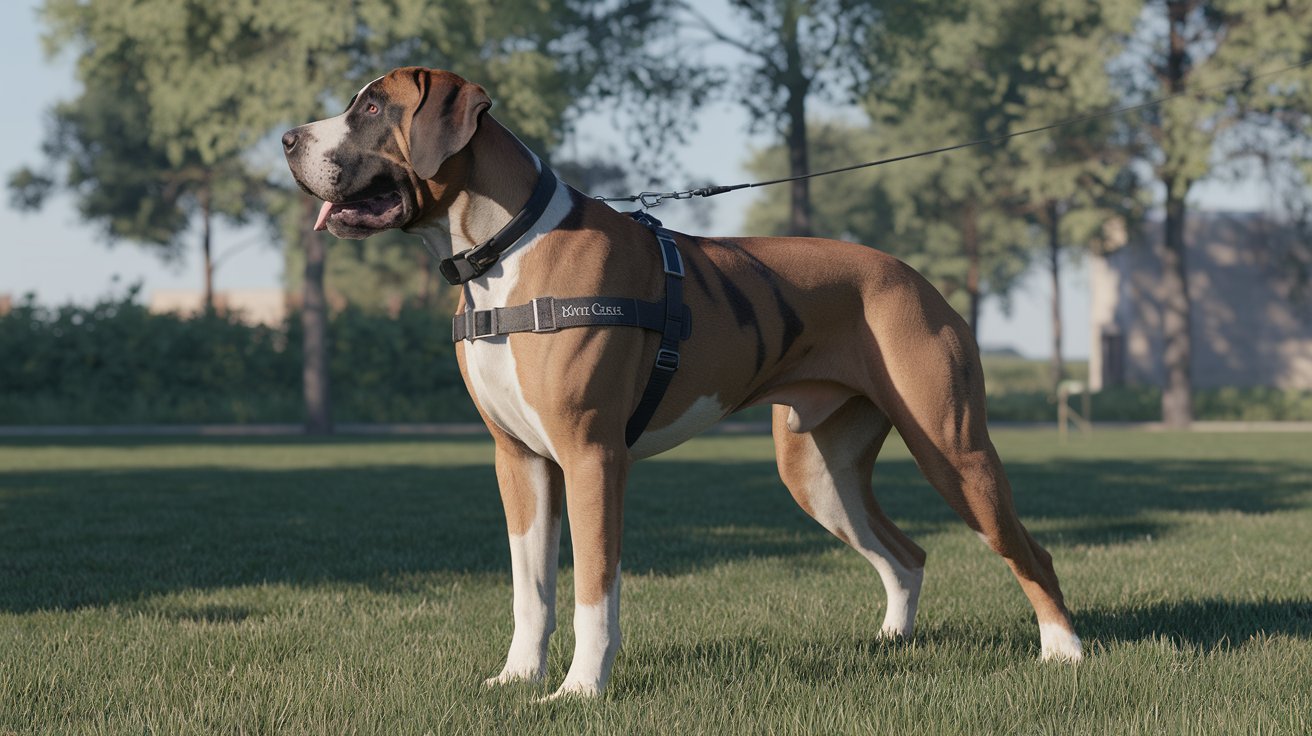
Reactive dogs exhibit reactive behavior when they encounter specific triggers, often displaying barking, lunging, or aggressive responses. With proper training techniques and consistent application, most reactive dogs can learn to manage their responses and live more peaceful lives. Professional dog trainers across the United States report success rates of 85-90% when owners commit to evidence-based training methods.
Understanding Dog Reactivity and Its Impact on Behavior
Dog reactivity represents an overreaction to environmental stimuli that would normally not cause such intense responses in well-socialized dogs. Unlike aggression, reactivity stems from fear, anxiety, or frustration rather than dominance or territorial behavior. Studies from the American Veterinary Medical Association in 2024 show that approximately 40% of American dogs display some form of reactive behavior during their lifetime.
Reactivity manifests through various behavioral signs including excessive barking, lunging on leash, raised hackles, and intense staring at triggers. The key difference between normal alert behavior and reactivity lies in the intensity and duration of the response. Reactive dogs often cannot self-regulate once triggered, requiring human intervention to return to baseline emotional states.
Identifying Common Triggers in Reactive Dogs
Most reactive dogs respond to specific environmental triggers that can be categorized into several main groups. People-reactive dogs may bark and lunge at strangers, children, or individuals wearing specific clothing items like hats or uniforms. Dog-reactive canines typically display intense responses to other dogs, regardless of size or breed, often stemming from inadequate socialization during the critical 8-16 week puppy period.
Protecting Your Dog from Overwhelming Situations
Creating a safe environment for reactive dogs requires strategic management of their exposure to triggers. Use physical barriers like privacy fencing, window films, or baby gates to limit visual access to outdoor triggers. When walking reactive dogs, choose routes and timing that minimize unexpected encounters, allowing your dog to build confidence gradually through controlled exposure.
Recognizing When Your Reactive Dog Is Over Threshold
Understanding your dog’s threshold levels represents a critical component of successful reactive dog training. Dogs operating below threshold can still learn and respond to cues, while over-threshold dogs enter a reactive state where learning becomes nearly impossible. Physical signs of an over-threshold dog include dilated pupils, excessive panting, trembling, and inability to take treats or respond to familiar commands.
The threshold concept operates like a scale from 1-10, where 1 represents complete calm and 10 indicates maximum reactivity. Professional trainers recommend keeping reactive dogs at a 3-4 level during training sessions, allowing them to notice triggers without becoming overwhelmed. This sweet spot enables learning while building positive associations with previously problematic stimuli.
Counter-Conditioning Techniques for Reactive Dogs
Counter-conditioning forms the foundation of modern reactive dog training, working to change your dog’s emotional response to triggers from negative to positive. This scientifically-backed approach pairs the appearance of triggers with highly valued rewards, typically high-value treats or activities your dog absolutely loves. The goal involves creating new neural pathways that associate previously scary stimuli with wonderful experiences.
Successful counter-conditioning requires precise timing and distance management. Begin training at a distance where your dog notices the trigger but remains below threshold, immediately delivering exceptional rewards. Gradually decrease distance over multiple training sessions as your dog’s behavior improves, always maintaining sub-threshold exposure levels to ensure continued learning and progress.
The Look at That Training Method
The Look at That (LAT) technique teaches reactive dogs to voluntarily look at their triggers and then look back at their handler for rewards. This method builds impulse control while creating positive associations with trigger sightings. Start by rewarding any voluntary glances toward triggers, then gradually shape the behavior to include looking back at you for the reward.
Distance and Desensitization Protocols
Systematic desensitization involves gradually exposing your dog to triggers at increasing intensity levels while maintaining positive emotional states. Begin with maximum distance where your dog remains calm, slowly decreasing distance over weeks or months. Professional dog training programs in the United States typically recommend 6-12 week protocols for significant behavioral changes in reactive dogs.
The 4 F’s of Dog Behavior in Reactive Training
The Four F’s framework – Fight, Flight, Freeze, and Fidget – describes how dogs respond to perceived threats and directly applies to reactive dog training strategies. Fight responses include barking, lunging, and snapping behaviors commonly seen in leash-reactive dogs. Flight responses manifest as pulling away, hiding, or attempting to escape trigger situations, while freeze responses involve complete stillness or shutdown behaviors.
Fidget responses represent displacement behaviors like excessive sniffing, scratching, or spinning that indicate stress without direct confrontation. Understanding which F-response pattern your reactive dog typically exhibits helps tailor training approaches for maximum effectiveness. Dogs showing fight responses require different management strategies than those displaying flight or freeze patterns.
Training Reactive Dogs Around People
People-reactive dogs require specialized training approaches that address their specific triggers while building positive human associations. Common human triggers include direct eye contact, reaching hands, rapid movements, and unfamiliar voices or appearances. Training typically begins with stationary helpers at significant distances, gradually introducing movement and closer proximity as the dog’s comfort level increases.
Effective people-reactive dog training incorporates the Engage-Disengage protocol, where dogs learn to look at people triggers and then look away voluntarily. This technique builds emotional regulation skills while preventing fixation behaviors that often escalate to reactive outbursts. Success rates improve dramatically when family members participate consistently in daily training sessions.
Managing Stranger Interactions Safely
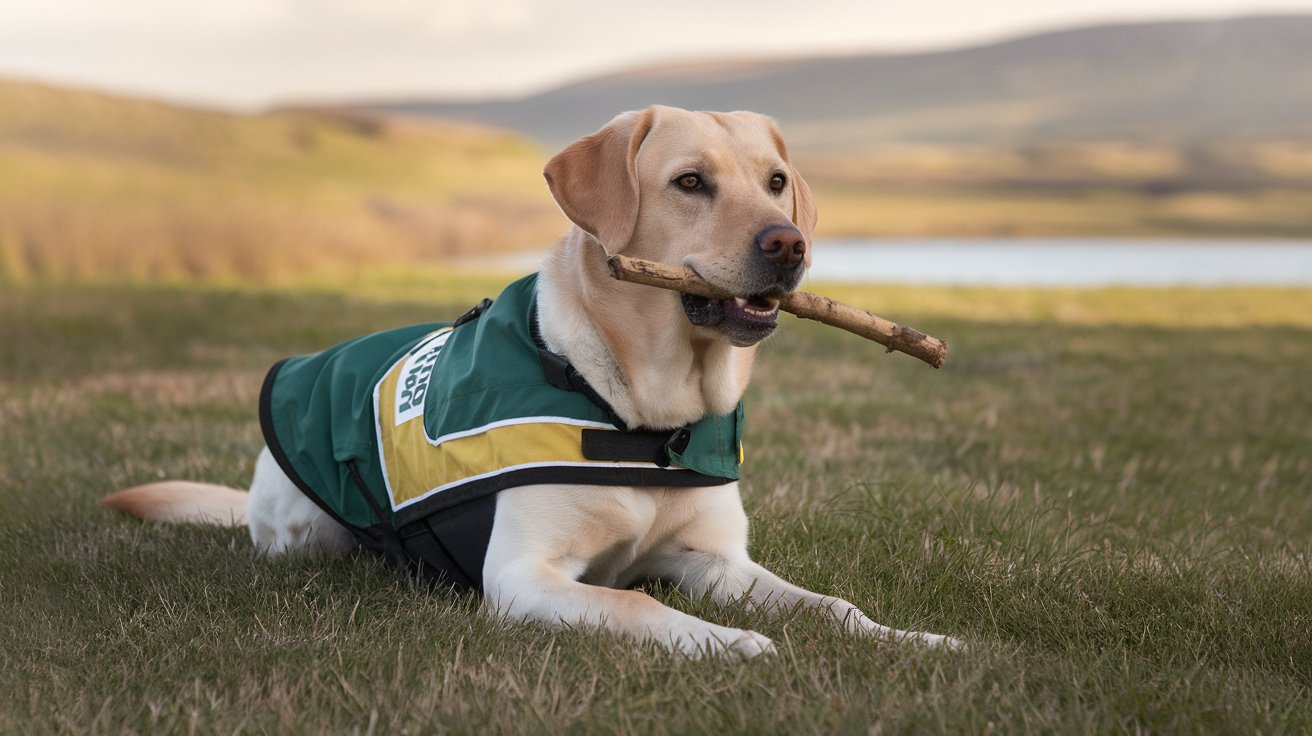
Safe stranger interactions for reactive dogs require clear communication with the public and strategic environmental management. Use bright-colored leashes or vests labeled with messages like In Training to signal that your dog needs space. Teach your dog to target your hand or move to your opposite side when strangers approach, creating predictable responses that prevent reactive episodes.
Building Confidence Through Controlled Exposures
Confidence-building exercises help people-reactive dogs develop positive associations with human interactions. Start with familiar people maintaining respectful distances while tossing treats toward your dog without making eye contact. Gradually progress to having helpers perform normal activities like walking, talking, or sitting nearby while your dog receives constant reinforcement for calm behavior.
Stopping Reactive Barking at Home
Home-based reactive behavior often centers around door barking, window watching, and territorial responses to neighborhood activities. Reducing these behaviors requires environmental management combined with alternative behavior training. Cover windows or install privacy films to limit visual triggers, while teaching your dog to go to a specific mat or crate when the doorbell rings instead of rushing to bark.
The Quiet command becomes essential for managing household reactivity, but must be taught when your dog is calm rather than during reactive episodes. Practice the command during peaceful moments with gradually increasing distractions. Most dogs require 3-6 weeks of consistent practice before reliably responding to quiet cues during mildly triggering situations.
Advanced Training Techniques for Severe Reactivity
Severely reactive dogs may require additional interventions beyond basic counter-conditioning protocols. Certified professional dog trainers often recommend the BAT (Behavior Adjustment Training) method, which allows dogs to control their distance from triggers while learning appropriate social skills. This approach works particularly well for dogs who have not responded to traditional training methods after 8-10 weeks of consistent practice.
Some reactive dogs benefit from pharmaceutical intervention alongside behavioral training. Anti-anxiety medications prescribed by veterinary behaviorists can reduce overall stress levels, making training more effective. Studies from 2024 show that dogs receiving both behavioral training and appropriate medication show 60% faster improvement rates compared to training alone.
When to Seek Professional Help
Professional intervention becomes necessary when reactive dogs show no improvement after 6-8 weeks of consistent training, display increasing aggression intensity, or when family members feel unsafe. Certified dog behavior consultants and veterinary behaviorists possess specialized knowledge for complex reactivity cases that exceed typical pet owner capabilities.
Creating Long-term Management Plans
Successful reactive dog training requires lifetime management rather than expecting complete elimination of all reactive tendencies. Develop written protocols for various scenarios including emergency situations, new environments, and family changes. Regular practice sessions and environmental awareness help maintain training progress while preventing regression in challenging situations.
Related video about reactive dog training tips
This video complements the article information with a practical visual demonstration.
Everything you need to know about reactive dog training tips
Can reactivity be trained out of dogs?
Yes, most reactive dogs can learn to manage their responses through proper training techniques. While complete elimination of all reactive tendencies may not be realistic, 85-90% of dogs show significant improvement with consistent counter-conditioning and threshold management. The key is changing the dog’s emotional response to triggers rather than simply suppressing reactive behaviors.
What is the 3 3 3 rule for dog training?
The 3-3-3 rule suggests that rescued or rehomed dogs need 3 days to decompress, 3 weeks to learn routines, and 3 months to feel truly at home. For reactive dogs, this timeline often extends longer, requiring 3-6 months of consistent training before seeing significant behavioral changes. Patience during this adjustment period is crucial for success.
How do I train my dog to stop being reactive?
Start by identifying your dog’s specific triggers and keeping them below threshold during training. Use counter-conditioning techniques to pair triggers with high-value rewards, gradually decreasing distance over time. Practice the Look at That method and teach alternative behaviors like targeting or moving to your opposite side. Consistency and patience are essential for success.
What are the 4 F’s of dog behavior?
The 4 F’s are Fight, Flight, Freeze, and Fidget – the primary stress responses dogs display when encountering perceived threats. Fight includes barking and lunging, Flight involves pulling away or hiding, Freeze means complete stillness, and Fidget represents displacement behaviors like excessive sniffing. Understanding your dog’s primary F-response helps tailor training approaches effectively.
How long does it take to train a reactive dog?
Most reactive dogs show initial improvement within 4-6 weeks of consistent training, with significant progress typically occurring over 3-6 months. Severely reactive dogs may require 6-12 months or longer to achieve substantial behavioral changes. Success depends on factors including the dog’s age, trigger intensity, consistency of training, and underlying emotional state.
Should I use punishment to stop reactive behavior?
No, punishment-based methods often worsen reactivity by increasing stress and fear around triggers. Modern dog training emphasizes positive reinforcement and counter-conditioning techniques that change the dog’s emotional response rather than suppressing behaviors through intimidation. Professional trainers strongly recommend avoiding shock collars, prong collars, or verbal corrections for reactive dogs.
| Training Method | Timeline for Results | Success Rate |
|---|---|---|
| Counter-conditioning | 4-8 weeks | 85-90% |
| Look at That (LAT) | 2-6 weeks | 75-85% |
| BAT Training | 6-12 weeks | 70-80% |
| Threshold Management | Immediate | 95% |